
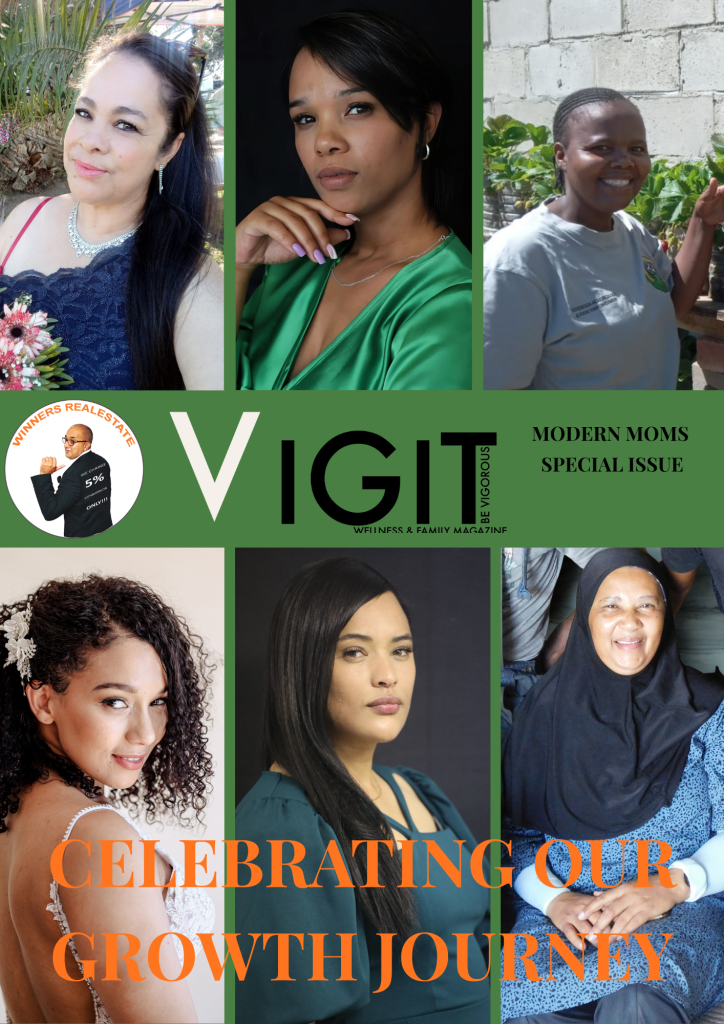
Bronwyn Maasdorp: In a league of her own
Bronwyn Maasdorp (30) from Bloemfontein is making her mark in an industry traditionally dominated by men. On 28 March 2026, she proved exactly what she’s capable of when she walked away with Best Female Car and Best Female Clean Engine

Atlantis cake artist builds his own brand
What happens when talent, necessity, and technology meet at the right moment? For Reon Speelman (34) from Atlantis, it marked the beginning of a new chapter — one where he doesn’t just bake cakes but builds a brand. He grew

From Brokenness to Bold Leadership
At 47, Charlene Elliot from Wellington has built a life defined not by circumstance, but by conscious choice. As a leader, activist, pageant finalist, and community leader, she represents resilience in action. Her journey is not one of overnight success,

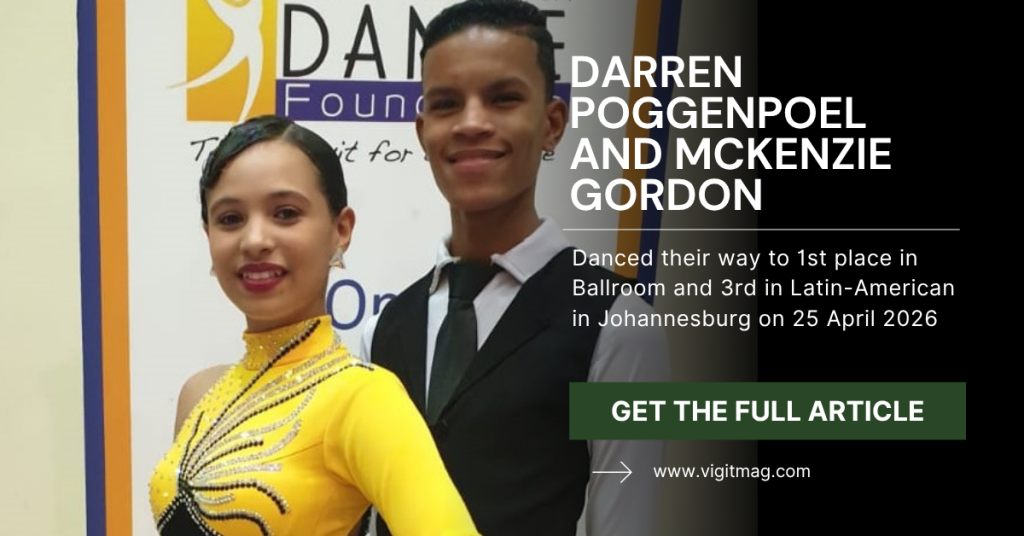
Atlantis Teens Shine in SA Ballroom Competition
Atlantis ballroom dancers Darren Jade Poggenpoel (17) and Mckenzie Jennifer Gordon (13) have made their community proud after returning home as champions on 25 April 2026. The talented duo competed in Boksburg, Gauteng, at Woodlands International College, where they secured

A mother and daughter’s journey with Autism
One of the most devastating things for any parent is watching their child live with a condition they cannot change or fix. Parents cannot take the pain away, cannot fight the battles for their children, and cannot make the world

No limit for Atlantis duo
Two young stars from Atlantis, Western Cape, are making waves in South Africa’s Ballroom dance scene. Siblings Lauren Jarvis (17) and Cameron Jarvis (15) have already amassed an impressive collection of 146 trophies, 123 certificates, and 206 medals. Among their

The mystery of dreams
Since the beginning of human history, dreams and visions have fascinated humanity. They have been seen as messages from the divine, warnings about the future, reflections of the soul, or simply the mind processing daily experiences. Across cultures, religions, and
Men are human too
“Big boys don’t cry.”Most men heard this sentence at some point in their childhood, maybe on a sports field, in a classroom, at home, or on a playground. Sometimes it wasn’t even said in a harsh way, but the message
Religion VS Spirituality
To understand the nature of the final battle, it can best be described as Religion VS Spirituality. Religion emerged as a way for humanity to make sense of the material world, to create order through laws, rituals, festivals, and belief

Showing your mom love
There is a season in life, especially during the teenage years, when rebellion feels justified. And somewhere in the tension of growing up, something often gets overlooked: your mother’s heart. Motherhood is rarely as simple as it looks from the

 Moving beyond fear, guilt and shame
Shame and guilt are often mistaken for moral clarity, but when they linger, they can anchor us in a low psychological and emotional state. At a functional level, both emotions serve a purpose: guilt can signal that we’ve acted out of alignment with our values, and shame can push us to reflect on who we are becoming. The problem begins when these feelings stop being signals and start becoming identities.
From a psychological perspective, prolonged guilt and shame are closely linked to rumination, anxiety, and depressive thinking. Instead of motivating change, they trap us in cycles of self-criticism. The mind replays the mistake, amplifies it, and builds a narrative: this is who you are. That narrative lowers self-efficacy (the belief that you can improve) and when that belief drops, so does your ability to act differently. In simple terms, the longer you sit in guilt and shame, the harder it becomes to rise above the very behaviour you regret.
There is a practical way through this.
First, separate the action from the identity. You did something wrong; that does not mean you are irredeemable. Second, understand your “why.” Why did you act that way? Was it fear, insecurity, pressure, or habit? When you identify the root, change becomes strategic rather than emotional. Third, take ownership without self-punishment. Accountability is constructive. Finally, replace rumination with action—apologise where necessary (even to yourself), correct what you can, and commit to a different response next time.
Spiritually, many traditions warn about the weight of negative emotional states. In some interpretations, persistent low-frequency emotions like fear, guilt, and shame are believed to “feed” controlling forces that thrive on human disempowerment. Whether one takes this literally or metaphorically, the underlying idea aligns with psychology: when you are consumed by fear, anxiety, guilt, or shame, you become easier to control—by external influences, by unhealthy patterns, and even by your own unchallenged thoughts.
You don’t need to adopt any specific cosmology to understand this: low emotional states reduce clarity, agency, and resilience. High-awareness states—self-forgiveness, love and responsibility, restore them.
The way forward is not perfection but rather honesty. Every day offers a reset because the “you” of yesterday is not fixed; it’s a reference point. If you are willing to forgive yourself, understand your patterns, and choose differently, you interrupt the cycle.
You are no longer feeding the past—you are renewed each day. Give yourself grace. And even if it appears to others that you’re striving for perfection, so what? There is nothing wrong with choosing to walk away from what no longer serves you. Show up for yourself.
What remains should be your willingness to try again, with clearer eyes and stronger intent. That is where real change begins.